Ajuy Natural Monument
The oldest rocks in the Canary Islands
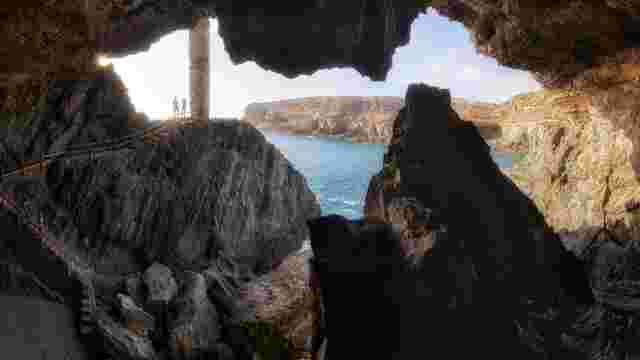
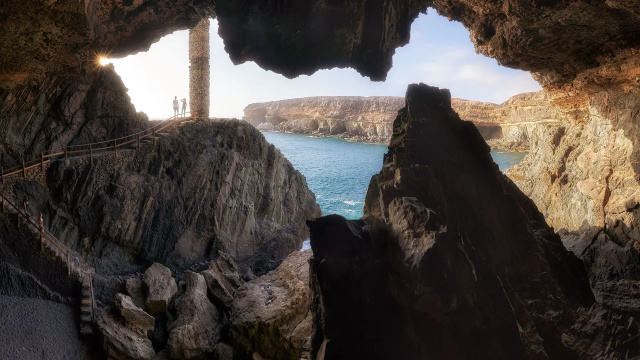
The oldest rocks in the Canary Islands are exposed at the surface in the Ajuy Caves, declared a Natural Monument, and located in the village of the same name, north of the town of Pájara. The geological wonder lies in being able to observe with the naked eye the sedimentary strata that formed in the depths of the ocean during the Cretaceous period, between 100 and 150 million years ago. This is something of a mystery, as the formation of Fuerteventura is dated to around 30 million years ago. On the way to the caves, the highlight is walking across a fossilised dune and seeing some ancient lime kilns along the path, which are unique in that they shipped the stone directly to the sea.
Fishing village, black sand beach and other attractions
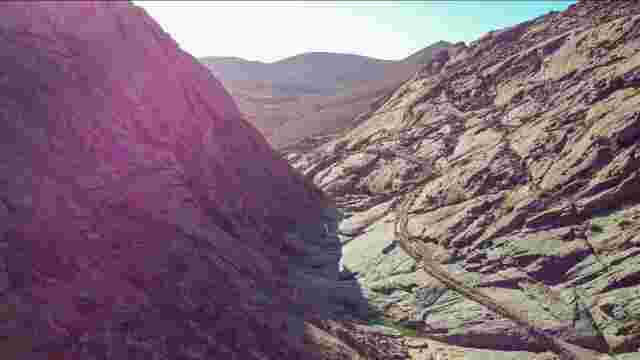
The village of Ajuy is also of interest as a fishing village comprising just a few dozen houses, where you can sample fresh fish and enjoy a swim at a dark-sand beach. Near Ajuy, there are also attractions such as the Canarian palm grove of Madre del Agua, following the same ravine as the conquistadors did 600 years ago, or the southern entrance to the Barranco de Las Peñitas.