Tefía Mill
A centuries-old tradition of gofio production
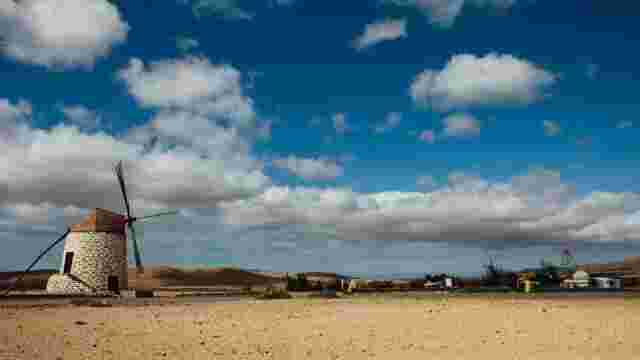
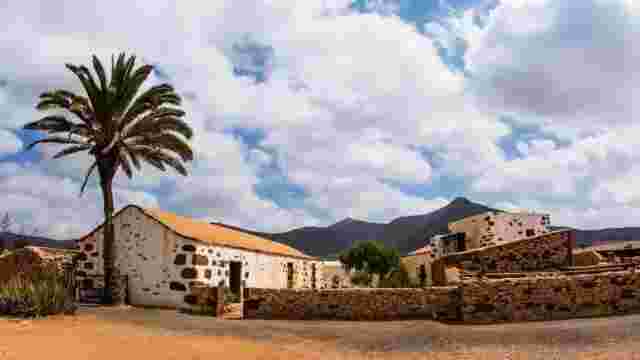
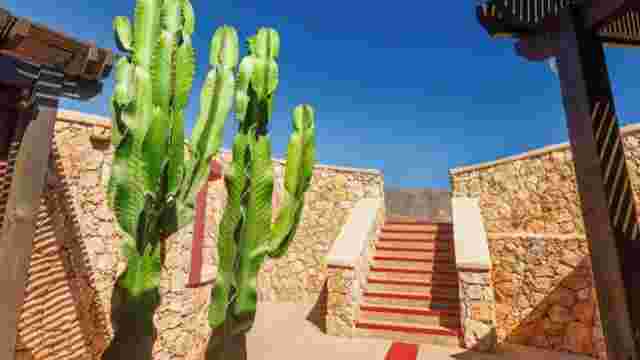
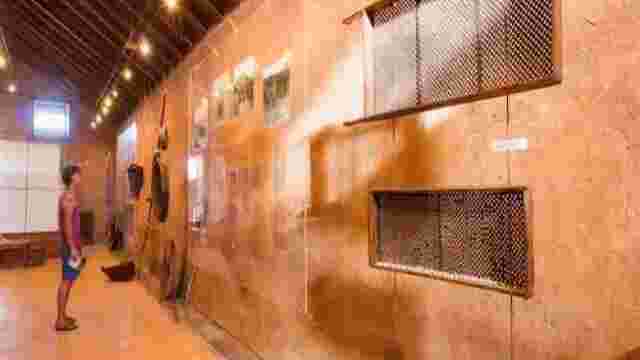
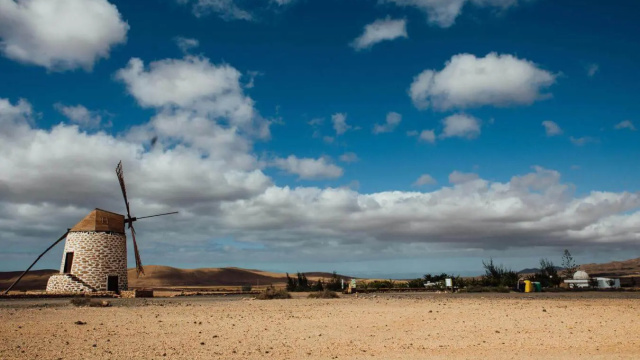
The Tefía Mill is located in the municipality of Puerto del Rosario, in a setting typical of the arid inland landscapes of Fuerteventura. It is one of the 23 mills designated as BIC (Asset of Cultural Interest) scattered across the island, all of them silent witnesses to the agricultural past that characterised the island’s economy over the last few centuries. In these mills, the locals ground the grain to make gofio, from the arrival of the conquistadors in the 15th century right up until well into the 20th century, usually, and according to tradition, in exchange for a share of the harvest which remained with the mill owner. In the vicinity of the Tefía Mill lies another site characteristic of Fuerteventura’s traditions: the La Alcogida Ecomuseum, which showcases the island’s architecture and traditional trades.
Evolution of the milling process
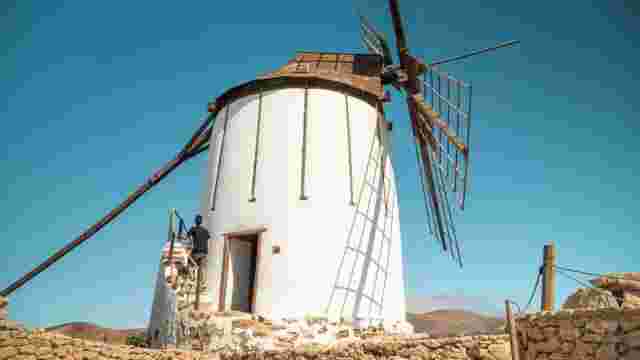
The Canarian windmills, particularly characteristic of the landscapes of Fuerteventura, were introduced by the European settlers following the conquest of the islands. The windmill, which used wind power for milling, represented an evolution from earlier methods, such as the tahonas (animal-drawn or ‘blood’ mills) or the hand mills used by the indigenous people. However, they predate the ‘molinas’, an invention that originated in La Palma and offered a significant advantage, as the milling structure could be dismantled and moved to a new location.